Truck Water Pump Replacement — Short and to the Point
The water pump is the heart of the cooling system. Its job is to constantly pump coolant through the engine and radiator. When it fails, the temperature rises quickly and driving on risks serious engine damage…
Przemysław Milner··2 min read
The water pump is the heart of the cooling system. Its job is to constantly pump coolant through the engine and radiator. When it fails, the temperature rises quickly and driving on risks serious engine damage.
Why do water pumps fail?
Worn bearings or seals – normal wear, leaking from the “weep hole”.
Contaminated or incorrect coolant – corrosion, deposits, cavitation.
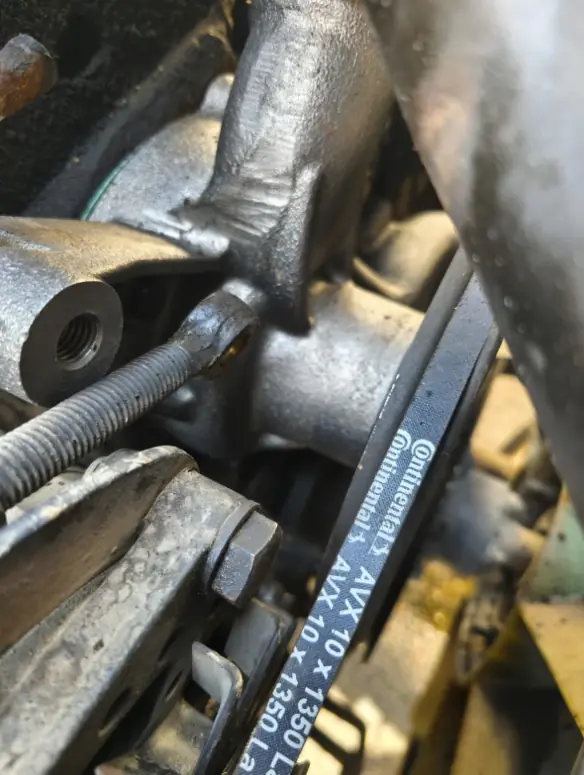
Incorrect belt tension or a worn belt (V-belt/poly-V) or a faulty tensioner.
Overheating and running “dry” after coolant loss.
Vibration and misalignment of ancillaries (alternator, air compressor).
Typical symptoms
Drips or traces of coolant under the engine, a wet area around the pump.
Whistling, grinding, play in the pulley.
Rising temperature, reduced cab heating.
Coolant level dropping quickly, a sweetish smell (glycol).
Cooling system warning light/message.
Warning: Never open the expansion tank cap while the engine is hot.
What to do on the road
Stop safely, switch off the engine and wait for it to cool down.
Check the coolant level; if necessary, top up with a compatible coolant (not water, except in an emergency).
Check the belt and the area around the pump for leaks or deposits.
If the temperature keeps rising or the noise is clearly audible — call a mobile repair service and do not drive on.
How the replacement is done (in brief)
Draining the coolant and disconnecting the battery.
Removing the covers, the belt/tensioner and the old pump.
Cleaning the mating surfaces and fitting the new pump with a new gasket (tightening torque as per manufacturer).
Refitting the belt, filling with the correct coolant, bleeding the system and testing for leaks and temperatures. It is often recommended to replace the belt, idler pulleys and tensioner at the same time.
Prevention for fleets
Change the coolant at the manufacturer’s interval (or every 2–3 years).
Regularly check the tension and condition of belts and pulleys.
Check the system for leaks during inspections.
Don’t mix random coolants; use the correct specification.
Quick cheat sheet for drivers
Rising temperature + noise from the belt area + coolant loss = suspect the water pump.
Stop, let it cool, don’t open the cap while hot, call a repair service.
Summary: A failing truck water pump usually gives clear warning signs. A quick response and professional pump replacement (with a check of the ancillaries) saves the engine, time and money.